Amal Omran
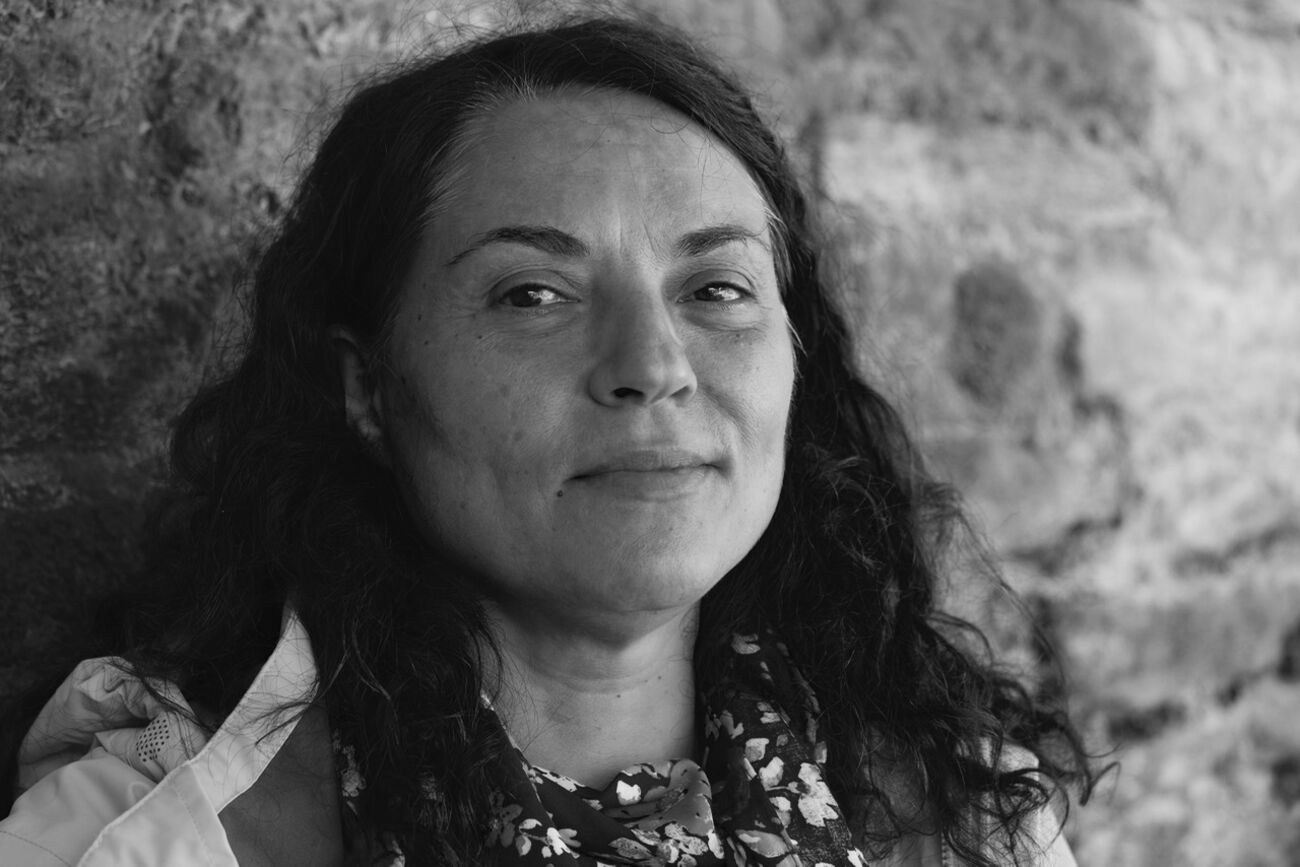
She was born in 1967 and is considered one of the most outstanding actresses in the Arabic-speaking world. In 1989, she completed her training in acting and directing at the Higher Institute of Dramatic Arts (HIDA) in Damascus. Since then, she has built a distinguished career across theater, television, and film. Between 2004 and 2006, she collaborated with renowned French director Ariane Mnouchkine, notably on the production Gilgamesh. She also worked extensively with Kuwaiti-British director Sulayman Al-Bassam on internationally acclaimed productions such as Richard III – An Arab Tragedy (2007), The Speaker’s Progress (2011), and UR (2018), all of which were presented at major international venues and festivals, including the Holland Festival, the Royal Shakespeare Company, and stages in New York, Boston, and Tokyo. She further collaborated with British director Tim Supple on One Thousand and One Nights, which was presented at the Edinburgh Festival and toured internationally. In 2014, her monodrama Hak premiered at Kumbaracı50 Theater in Istanbul. In 2016, she appeared in While I Was Waiting by Mohammad Al Attar, directed by Omar Abusaada, which premiered at Kunstenfestivaldesarts and toured internationally. She has also collaborated with Kain Collective, performing in works such as Overdose, Kassia, and Thesmophoria. At Theater an der Ruhr, she participated in several productions including Ein Mensch wie du, Songs of Love (as both director and actor), Kein Ort, and Das Band. Additionally, she worked with Suit 42, performing in Existence, directed by Lydia Ziemke. Her work also includes Chronicles of a City We Never Knew (2019), written by Wael Kadour and staged by Mohamad Al Rashi. Since 2016, she has been a co-founder of Collective Ma’louba, alongside Mohamad Al Rashi, Mudar Alhaggi, and Wael Kadour, based at Theater an der Ruhr. Within this collective, she has developed and performed in numerous productions, including Your Love is Fire, Ya Kbeer, Days in the Sun, Reinform Sache, and Return of Danton. Alongside her extensive theatre career, Omran has appeared in numerous film productions, collaborating with a range of internationally recognized directors. Her film work includes Sunduq al-Dunyâ (2002) by Ossama Mohammed, Under the Ceiling (2005) by Nidal Debs, Xoftex (2021) by Noaz Deshe, and Return (2022) by Ghiath Al Mhitawi. Her most recent work includes Future Is Panorama (2025) by Muschirf Shekh Zeyn, for which she received three Best Actress awards.